Mass Readings:
- Exodus 19:2-6
- Romans 5:6-11
- Matthew 9:36-10:8
Every generation likes to imagine itself unique. We speak of unprecedented challenges, changing cultures, and uncertain futures. Yet beneath the surface, the fundamental drama of human life remains remarkably unchanged. The decisive question confronting every person is the same question that confronted Israel in the wilderness, the disciples in Galilee, and the first Christians in Rome: will we entrust ourselves to God or not? The readings for this Sunday revolve around that choice. They remind us that faith is never merely inherited. It must be embraced. God proposes; He does not impose. He offers a covenant, not a contract.
A Kingdom of Priests and a Holy Nation (Exodus 19:2-6)
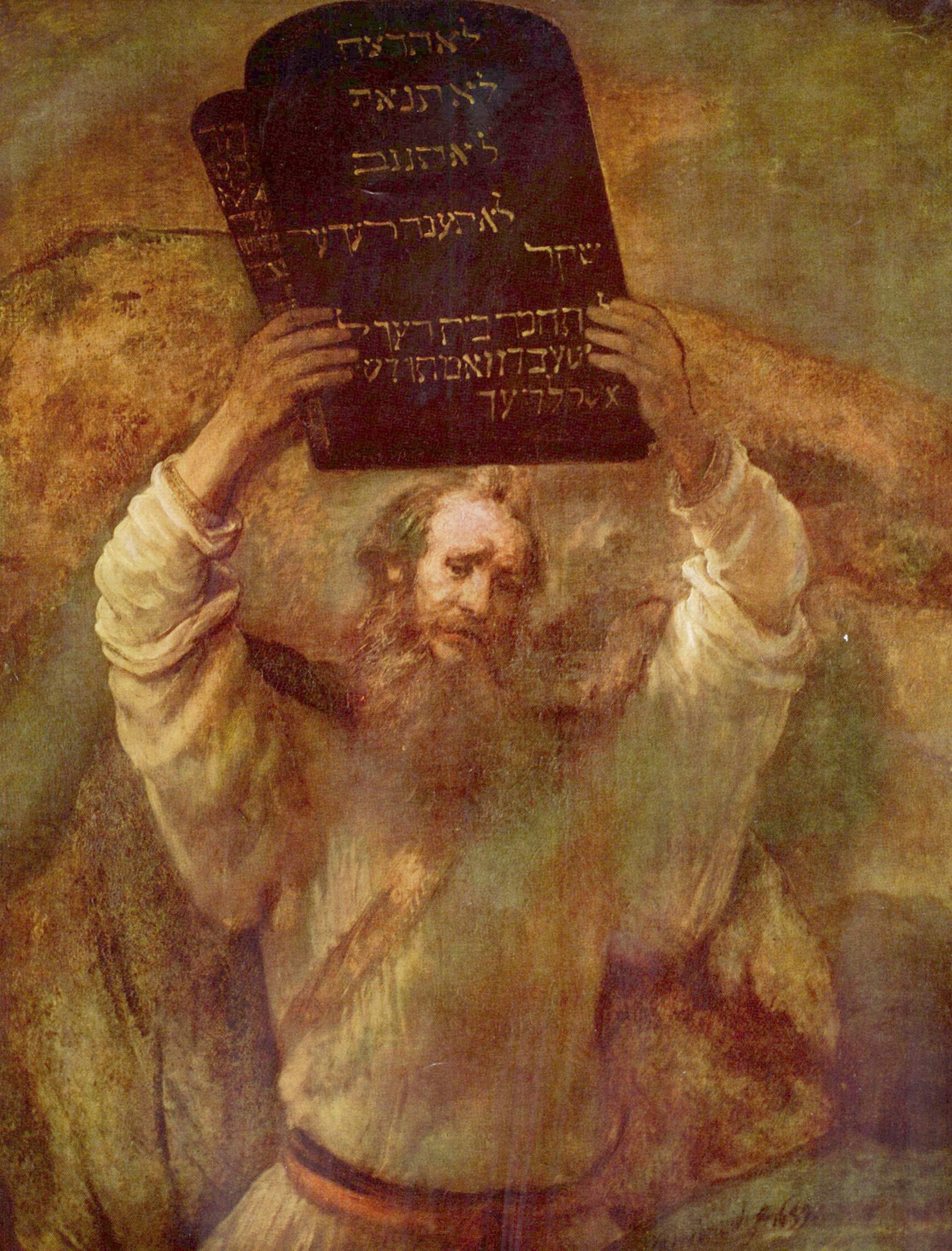
The first reading takes us to one of the defining moments in biblical history. Israel has arrived at Mount Sinai. The people have not wandered there accidentally. They stand at the end of a remarkable journey and at the beginning of an even greater one. Before God speaks of commandments, obligations, or covenantal responsibilities, He reminds Israel of what He has already done: “You have seen what I did to Egypt, and how I bore you on eagles’ wings and brought you to myself.” These words are filled with tenderness. God does not introduce Himself as a distant ruler demanding obedience. He speaks as a liberator recalling His acts of mercy. Israel has witnessed extraordinary events. They have seen the collapse of Pharaoh’s power. They have crossed the sea. They have received water from the rock and bread from heaven. They have experienced protection in moments when human resources were exhausted and human calculations useless. The remarkable thing is that God asks them to remember. Memory occupies a central place in biblical faith. Forgetfulness is often the root of unbelief. Israel repeatedly forgot what God had done and therefore struggled to trust what God would do next. The same temptation accompanies Christians today. We remember our anxieties more easily than God’s faithfulness. We catalogue our disappointments while overlooking the countless ways in which grace has already sustained us. God’s covenant at Sinai begins not with a demand but with a reminder: “Look at what I have done for you.” Only then comes the invitation: “If you obey my voice and keep my covenant, you shall be my treasured possession among all peoples.” This language is striking. God does not offer Israel domination over other nations. He offers relationship. He calls them into a unique communion with Himself.
Two expressions in this passage deserve particular attention. Israel is called to become “a kingdom of priests” and “a holy nation.” Modern readers often misunderstand holiness. We tend to reduce it to moral perfection, as though holiness were simply a matter of avoiding mistakes. In Scripture, holiness is something deeper. God is holy because He is utterly other. He transcends every category by which we attempt to understand reality. His wisdom exceeds human wisdom. His ways surpass human calculations. His purposes cannot be confined within earthly logic. For Israel to become a holy nation therefore means more than becoming morally respectable. It means becoming a people shaped by God's vision rather than by the assumptions of the surrounding world. The same remains true for the Church. The Church exists not to baptise the spirit of the age but to offer an alternative to it. Christians are not called merely to be slightly better versions of everyone else. They are called to reflect something of God's own life within history. Equally significant is the phrase “a kingdom of priests.” A priest stands between God and humanity. He receives from God and offers to others. Israel's election was therefore never intended as a privilege for its own sake. It was a mission. The descendants of Abraham were chosen so that all nations might ultimately be blessed through them.
This remains one of the great lessons of biblical history. Whenever God's people forget that they exist for the sake of others, they lose sight of their vocation. Election becomes self-congratulation. Mission becomes self-preservation. This temptation has never disappeared. Every age produces forms of religious tribalism. There is always a tendency to prefer the Church turned inward rather than outward, the Church concerned primarily with protecting itself rather than evangelising the world. Yet from Sinai onward, God’s intention has been unmistakably missionary. Those whom He blesses are meant to become a blessing.
Christ Died for Us While We Were Still Sinners (Romans 5:6-11)
The second reading reveals the astonishing foundation of this mission. Saint Paul writes to Christians in Rome about the mystery of salvation. His words contain one of the most beautiful summaries of the Gospel found anywhere in the New Testament: “While we were still weak, at the right time Christ died for the ungodly.” Notice what Paul does not say. He does not say that Christ died for humanity once humanity had improved itself. He does not say that God waited until sinners became worthy of redemption. Christ died for us while we were still sinners. This truth overturns many of our assumptions about God. Human love often depends upon attractiveness, usefulness, or reciprocity. Divine love does not. God does not love us because we are lovable. We become lovable because God loves us. The Cross reveals God who takes the initiative. Indeed, St. Paul presents humanity as fundamentally powerless before the problem of sin. Left to ourselves, we cannot bridge the distance separating us from God. No amount of moral effort can erase the deepest consequences of rebellion against our Creator. Salvation therefore comes not from human achievement but from divine mercy. This is the heart of Christianity. At the centre of our faith stands neither a philosophy nor a moral programme but an event: the self-giving love of Christ. God who liberated Israel from Egypt now acts on an infinitely greater scale. He liberates humanity from sin and death. God who established a Covenant at Sinai establishes a new and eternal Covenant through the blood of His Son. This explains why Paul can speak with such confidence. If God loved us while we were His enemies, how much more will He sustain us now that we have been reconciled through Christ? The Christian life begins not with fear but with gratitude.
Compassion of Christ (Matthew 9:36-10:8)
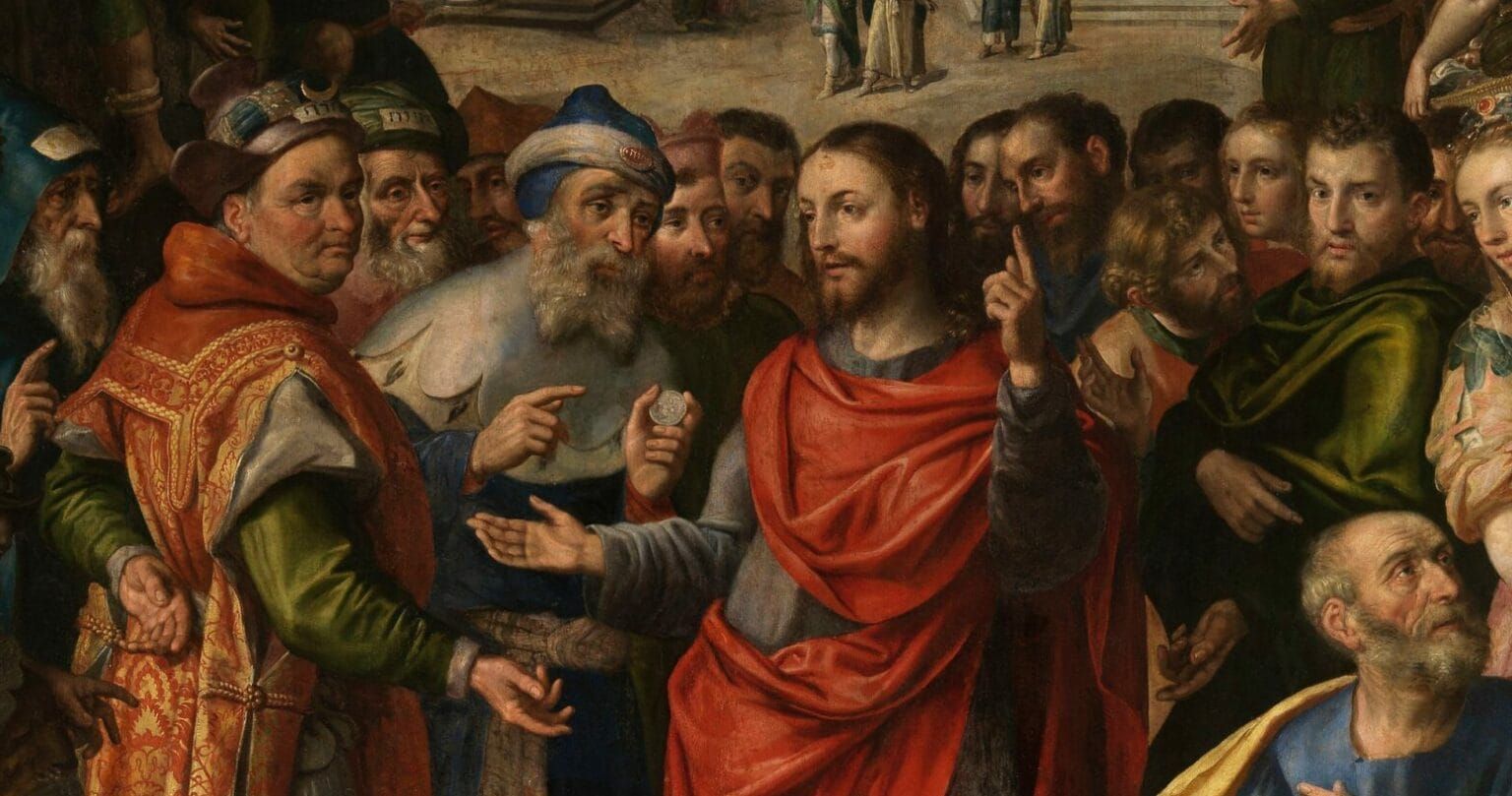
The Gospel introduces another dimension of God’s plan. Saint Matthew tells us that Jesus looked upon the crowds and was moved with compassion because they were “harassed and helpless, like sheep without a shepherd.” This image remains one of the most penetrating descriptions of humanity. The people surrounding Jesus were not merely suffering from illness. They were spiritually disoriented. They longed for meaning yet struggled to find trustworthy guides. They carried burdens but lacked direction. The description sounds surprisingly contemporary. Our age possesses extraordinary technological resources, yet many people remain profoundly uncertain about the purpose of life. Information multiplies, but wisdom often seems scarce. We are connected to one another through countless devices, yet loneliness remains widespread. Many people today resemble the crowds of Galilee: searching, weary, confused, and vulnerable. What is remarkable is Christ’s response. He does not react with frustration. He does not condemn the crowds for their confusion. He is moved with compassion. The Greek term used by St. Matthew suggests a deep stirring from within, an emotion arising from the very depths of one’s being. Christ looks upon humanity with the eyes of a shepherd who loves his flock. This compassion becomes the source of mission: “The harvest is plentiful, but the labourers are few.” The problem is not that people have no need of God. The problem is that there are too few workers willing to bring them the Gospel.
Jesus responds by calling the Twelve. The list includes familiar names: Peter, Andrew, James, John, Matthew and the others. Yet what is most striking is not who they are but what they are not. They are not the elite of Israel. They are not celebrated scholars or political leaders. They are ordinary men entrusted with an extraordinary mission. Even Judas appears among them. The inclusion of Judas reminds us that God's call does not eliminate human freedom. Grace is offered, but it can still be rejected. The Twelve receive authority to heal, to cast out demons, and to proclaim the nearness of the Kingdom of Heaven. These miraculous signs reveal something essential about God's reign. The Kingdom is not merely a future reality. It is God's healing power already breaking into the world. Where Christ reigns, sickness, sin, division, and evil begin to lose their hold. The miracles point toward the ultimate destiny of creation itself. God does not intend suffering, death, and evil to have the final word. His Kingdom is the restoration of all things.
The readings ultimately bring us back to where we began. Israel stood before a choice at Sinai. The crowds of Galilee stood before a choice as Christ passed among them. The first Christians stood before a choice as they heard the Gospel proclaimed. We stand before the same choice today. The Kingdom of Heaven is not merely near. Through Christ it has already entered history. The question is whether we are willing to enter it. The alternatives remain the same. We may place our trust in God or in our own calculations. We may build our lives upon grace or upon passing securities. We may live for eternal realities or confine ourselves to temporary ambitions. Christ does not force the decision. He invites. God who carried Israel on eagle’s wings, God who reconciled sinners through the death of His Son, and God who looked upon the crowds with compassion still calls men and women to Himself. His invitation remains as urgent as ever. The harvest is still plentiful. The labourers are still few. And the Kingdom of Heaven is still at hand.
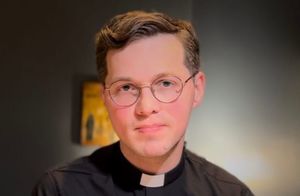
Fr. Dominik Domagala acquired a Master's in History of Liturgy and obtained a Licentiate in Sacred Scripture at St Patrick’s College in Maynooth. His main interests concern the OT and Books of Maccabees. He is the author of “The Social Sermon” blog on Facebook, Instagram and YouTube. Check out more at the website: thesocialsermon.com