
Mass Readings:
- 2 Kings 4:8-11, 13-16
- Romans 6:3-4, 8-11
- Matthew 10:37-42
There is an old story about a monastery hidden high in the mountains. For generations the monks welcomed weary travellers crossing the difficult passes. Most stayed only one night. They were offered a simple meal, a warm bed and, before dawn, they quietly continued their journey. The monks never expected thanks. Hospitality was simply part of their vocation. Many years later, an elderly gentleman knocked at the monastery door. As one of the brothers welcomed him inside, the visitor smiled and said, "I slept here as a frightened boy over fifty years ago. I have never forgotten your kindness.” The monks had forgotten him completely. He had not forgotten them. Perhaps that little story captures one of the most beautiful truths about God. We often wonder whether our small acts of generosity really matter. Does God notice the hidden sacrifice, the quiet prayer, the patient forgiveness, the money discreetly given to a person in need, the time offered to the parish, the encouragement spoken to someone who is struggling? The readings this Sunday answer with remarkable confidence: nothing offered to God is ever forgotten. God never allows Himself to be outdone in generosity.
God Who Remembers Every Act of Kindness (2 Kings 4:8-11, 13-16)
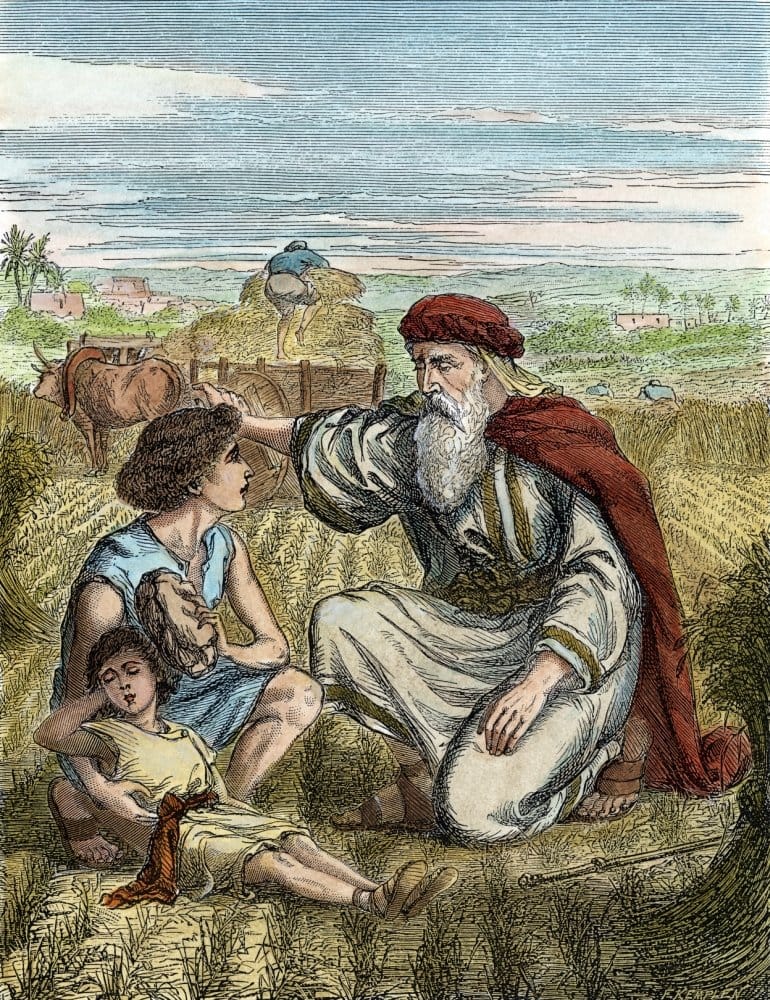
The First Reading introduces us to one of the most touching stories in the Books of Kings. The prophet Elisha regularly passes through the town of Shunem. A wealthy woman notices him and quietly persuades her husband to prepare a small room where the prophet may rest whenever he travels that way. It is an act of remarkable simplicity. She asks for nothing in return. She does not seek influence. She does not hope to gain God's favour by calculation. She simply recognises a man of God and offers generous hospitality. When Elisha later asks how he might repay her kindness, her answer is almost surprising in its humility: "I live among my own people." She is content. She seeks no reward. Yet God remembers what she herself no longer dares to ask for. In the ancient world, childlessness was often experienced not only as deep personal sorrow but also as social humiliation. Through the prophet, however, God promises that within a year she will embrace a son. The impossible becomes possible. The story does not end there. Some years later the boy suddenly dies. The woman's grief is immense, yet she runs back to Elisha, trusting that God who gave life has not withdrawn His love. After fervent prayer the prophet restores the child to life. It is a powerful reminder that God's gratitude is not temporary. He does not bless today only to abandon tomorrow. Even when suffering enters our lives, His faithfulness remains. Of course, this does not mean that faithful believers will never experience hardship. Scripture itself repeatedly disproves such an idea. The saints suffered greatly. The prophets suffered greatly. Christ Himself suffered most of all. But today's reading reminds us that God never forgets those who open their hearts to Him and to His work. If His reward does not come in the way we expect in this life, it certainly awaits us in the next.
Baptism: A Life That Belongs to Christ (Romans 6:3-4, 8-11)
At first sight, St Paul's teaching in the Letter to the Romans seems disconnected from the story of Elisha. Yet the two readings are united by a profound conviction: what is entrusted to God acquires eternal value. Paul reflects on the meaning of Baptism. His language is strikingly realistic. Through Baptism, he says, we have been buried with Christ into His death so that we may also share His resurrection. For many of us, baptised as infants, these words have become so familiar that we hardly notice how radical they really are. Among some Jewish communities in the ancient world, when a person converted to Christianity, relatives would sometimes mourn him as though he had died. In some cases they even erected a symbolic tombstone bearing the date of Baptism. Dramatic though this may seem, it illustrates how profound a change Baptism represented. Paul would not have considered such symbolism exaggerated. The old self truly dies. The Christian begins an entirely new existence. One no longer belongs primarily to himself but to Christ. Ones ambitions, priorities and hopes are gradually transformed. One learns to measure success not by worldly standards but by fidelity to the Gospel. This explains why Christianity has never been merely a moral philosophy or a collection of religious practices. It is participation in the very life of Jesus Christ. If we have died with Him, Paul says, we shall also live with Him. That promise gives meaning to sacrifices that otherwise would appear pointless. It enables Christians to persevere when faithfulness becomes costly. Above all, it reminds us that our true homeland lies beyond this world.
What Is Christ Worth to Us? (Matthew 10:37-42)
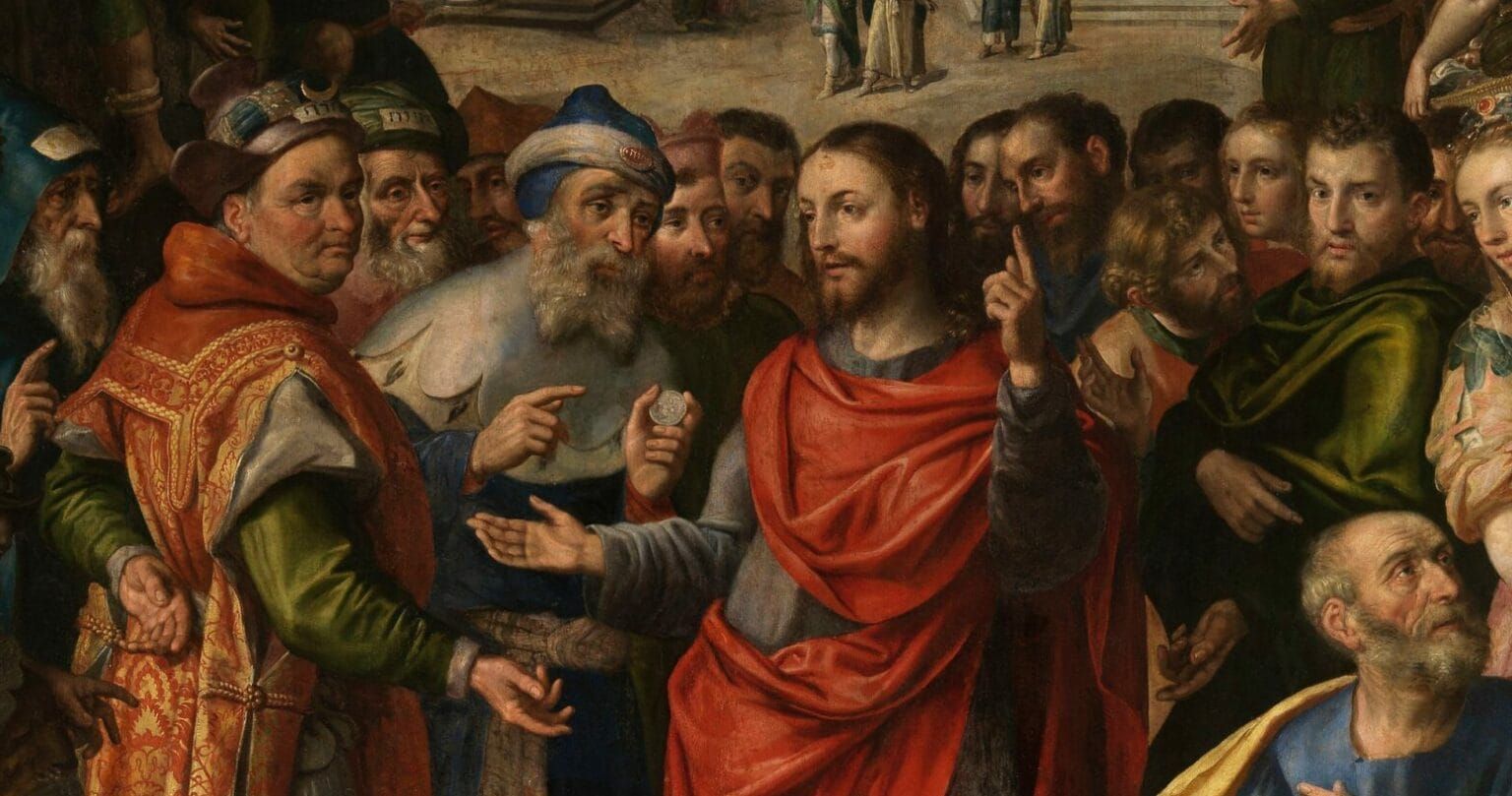
The Gospel presents perhaps the most demanding words we have heard for several Sundays: “Whoever loves father or mother more than me is not worthy of me.” At first hearing they may seem almost harsh. Yet Jesus is not diminishing family love. On the contrary, Christianity has done more than almost any civilisation to strengthen the dignity of marriage and family life. Christ is teaching here something even deeper. He says that every human love finds its proper place only when God comes first. Whenever we reverse that order, even the best relationships eventually become disordered. Parents may begin living through their children. Children may expect from parents what only God can provide. Families can unknowingly become closed worlds centred only on themselves. The same principle explains His words about the Cross. Modern Christians often identify "carrying the Cross" simply with suffering: illness, disappointment, loneliness or loss. Certainly these may become crosses. But in Matthew's Gospel the Cross means something even more fundamental. It means obedience. Jesus carried His Cross because He remained obedient to the Father's will. His disciples are invited to do the same. Sometimes that obedience costs very little. At other times it demands difficult decisions: refusing dishonesty at work, remaining faithful in marriage, forgiving someone who has deeply wounded us, defending truth when silence would be more comfortable, or choosing integrity even when it damages our career or reputation. That is what it means to carry the Cross. Not simply to suffer, but to remain faithful. The Gospel ends with an image that is almost disarming in its simplicity: ”Whoever gives even a cup of cold water to one of these little ones because he is my disciple... will certainly not lose his reward.” Notice here what Jesus does. After speaking about family divisions and taking up the Cross, He finishes not with heroic martyrdom but with a cup of water. Why? Because holiness is usually built not through extraordinary moments but through ordinary acts of love. The connection with the First Reading becomes immediately clear. The Shunammite woman prepared a room for Elisha. The disciples are promised a reward for offering a cup of water. In both cases the principle is identical. Christ so closely identifies Himself with His servants that whatever is done for them is done for Him. We often evaluate ourselves almost exclusively by our failures. We count our sins, our weaknesses and our disappointments. Necessary as repentance is, today's Gospel reminds us not to overlook the good we are called to do: every hidden act of generosity, every sacrifice offered for Christ, every prayer whispered in faith, every encouragement given to someone who is struggling. Every act of that holy kindness truly matters. In God's Kingdom nothing is wasted.
Perhaps the greatest temptation facing us is not persecution but short-sightedness. We expect immediate results and become discouraged when goodness seems unrewarded while evil appears to prosper. Yet today's readings quietly invite us to recover a longer perspective. The woman of Shunem could not foresee how God would bless her generosity. St Paul reminds us that Baptism already anchors our lives in eternity. Finally, Jesus assures us that even the smallest act performed for His sake has lasting value. The surrounding world measures success by visibility, influence and achievement, but God measures faithfulness. It means that the elderly parishioner who quietly prays every day, the volunteer who serves unnoticed, the parent patiently raising children in the faith, the priest faithfully celebrating the sacraments, the neighbour who visits the lonely—none of these lives are insignificant. Their names may never appear in history books, but they are written in heaven. And while the old monks had forgotten the frightened boy who once sought shelter in their monastery, God never forgets. And because He never forgets, Christians can live generously without calculating the cost.
Fr. Dominik Domagala acquired a Master's in History of Liturgy and obtained a Licentiate in Sacred Scripture at St Patrick’s College in Maynooth. His main interests concern the OT and Books of Maccabees. He is the author of “The Social Sermon” blog on Facebook, Instagram and YouTube. Check out more at the website: thesocialsermon.com